Corner shop or corporate tower, the principles of building protection barely change. Intruders look for the same three things everywhere: a quiet approach, a hidden entry point and enough time. A good system takes all three away — and it rarely requires the most expensive equipment on the brochure.
Start Outside, Not Inside
Most buyers begin with gadgets for the interior. Professionals begin at the kerb. Lighting, sightlines and boundary control decide whether an intruder even tries your building; everything inside is a backup layer. During our surveys we spend the first twenty minutes outside with a camera, finding the dark corners and overgrown cover the owner stopped noticing years ago.
Security is not the camera on the wall — it is the reason the intruder chose the building next door instead.
Layer Three Things, Not Thirty
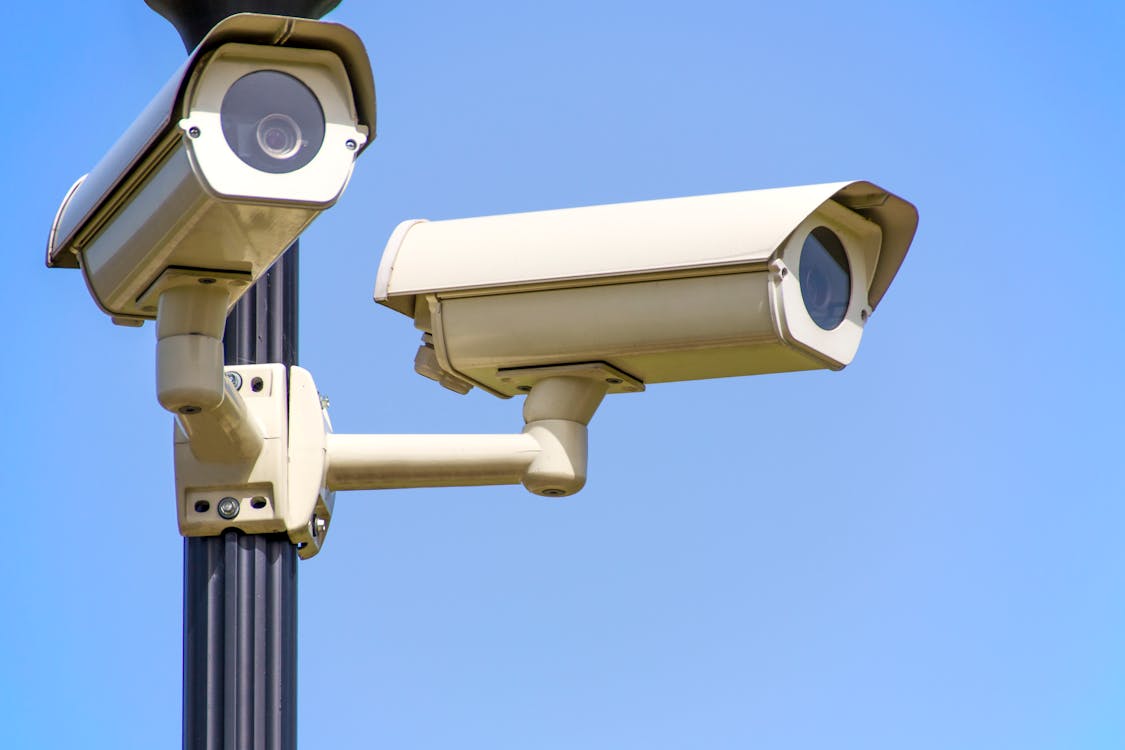
For almost any building, three layers cover ninety percent of risk: deter (lighting, visible cameras, signage), detect (alarmed doors, motion zones, glass-break sensors) and delay (quality locks, reinforced frames, shutters where justified). Each layer buys time, and time is what turns an attempt into an arrest — our control room dispatches patrols while the intruder is still fighting layer two.
The Mistakes We Fix Most
Cameras pointed at the sky instead of faces. Alarms with default codes the previous tenant still knows. Recorders tucked under the till for anyone to unplug. Every one of these is cheap to fix during installation and expensive to discover after a break-in. That is why our surveys photograph problems rather than just listing products — you see what we see before you spend anything.
Whether it is a family home or a multi-storey office, the method is identical: survey the approaches, layer deter-detect-delay, test monthly. If you would like that survey done for your building, request a free visit — we will bring the camera and the honest answers.